

Got Questions?
We are a community of compassionate individuals united by a single purpose, to create real, lasting change where it’s needed most.
Chronic Kidney Disease
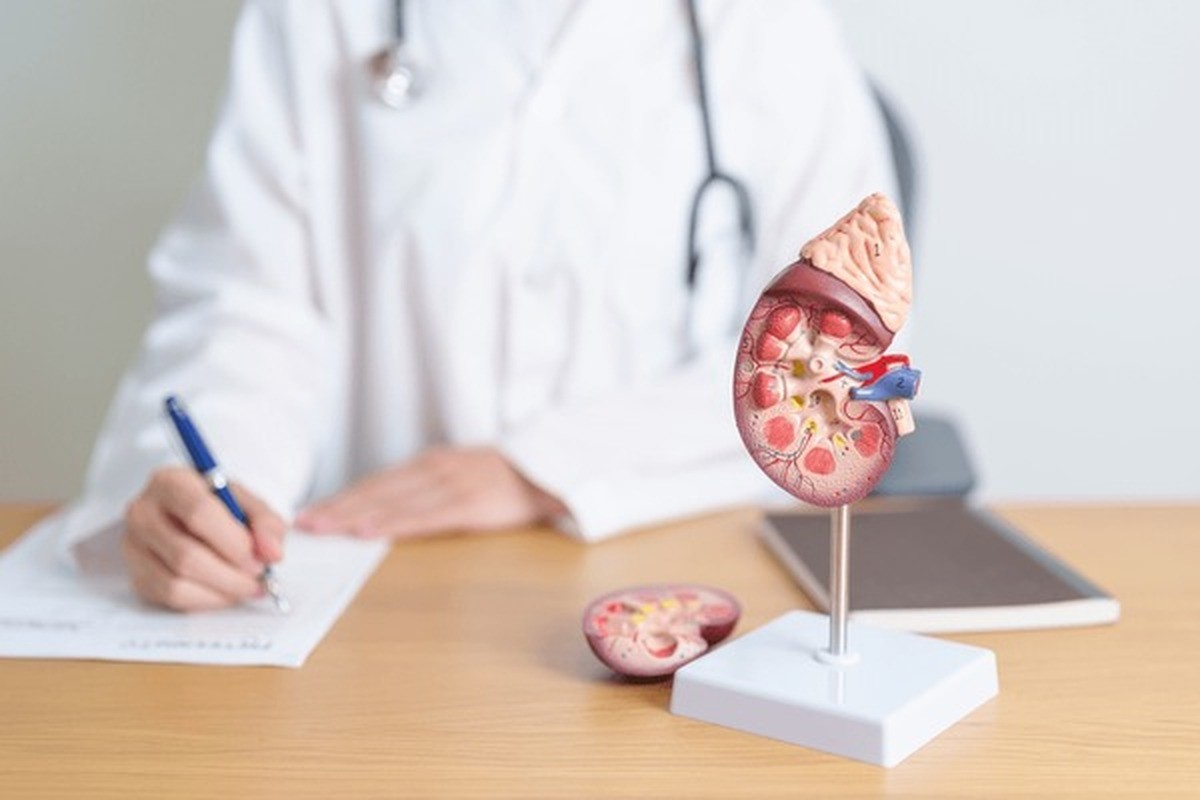
Know Your Kidneys
Location and Structure:
Two bean-shaped, fist-sized organs located below the rib cage, on either side of the spine.
Each kidney contains about one million nephrons, the functional units responsible for filtration.
Components of a Nephron:
Glomerulus: A cluster of tiny blood vessels that filters waste and excess fluid from the blood.
Tubules: Channels that reabsorb essential substances like water, glucose, and minerals back into the bloodstream.
Main Functions of the Kidneys:
Filter blood to remove waste products and toxins.
Maintain the body’s balance of fluids, electrolytes, and minerals.
Regulate blood pressure through hormone control.
Support red blood cell production by releasing erythropoietin.
Contribute to bone health by activating vitamin D.
When Kidney Function Declines:
Waste and excess fluid begin to accumulate in the body.
Heart and lung function may be affected by fluid overload, leading to high blood pressure.
Levels of waste products such as Blood Urea Nitrogen (BUN) and Creatinine rise in the blood.
A decrease in filtration efficiency, reflected by a low Glomerular Filtration Rate (GFR), indicates declining kidney function (see eGFR table).
Changes in urine patterns, including increased or decreased frequency, and pain or discomfort while urinating.
Swelling (Edema) in the hands, feet, face, or other parts of the body due to fluid retention.
Anemia (low blood count) develops as the kidneys fail to produce enough erythropoietin, the hormone that stimulates red blood cell formation.
Heart disease may occur due to imbalances in electrolytes such as sodium and potassium.
Bone disease can develop as the kidneys lose the ability to activate vitamin D and maintain proper calcium balance, both essential for bone strength.
Key Message:
Your kidneys are vital filters that keep your body balanced and healthy.
Protecting them through regular check-ups, healthy habits, and early detection is essential.
What is Chronic Kidney Disease (CKD)?
Chronic Kidney Disease (CKD) is a long-term condition in which the kidneys become damaged and gradually lose their ability to function properly. As kidney function declines, waste products and excess fluids begin to accumulate in the blood, leading to illness and multiple complications.
Over time, CKD can result in high blood pressure, anemia (low red blood cell count), weak bones, poor nutritional health, and nerve damage. It also significantly increases the risk of heart and blood vessel diseases. These changes usually occur slowly and may go unnoticed until the condition is advanced.
The most common causes of CKD include diabetes, high blood pressure, and certain other chronic disorders. However, early detection and timely intervention can often slow the progression of the disease, preserving kidney function for longer.
In advanced stages, when the kidneys can no longer perform their essential functions, kidney failure may occur — requiring dialysis or a kidney transplant to sustain life.
Chronic Kidney Disease (CKD) in Children
Chronic Kidney Disease can also affect children, though the causes often differ from those seen in adults. In many cases, CKD in children is linked to birth defects or developmental abnormalities of the kidneys or urinary tract, which may result from genetic or environmental factors during pregnancy.
Common Causes Include:
1, Congenital (birth-related) abnormalities:
A child may be born with only one kidney instead of two (renal agenesis or solitary kidney).
One kidney may not function properly (renal dysplasia).
A kidney may be located in the wrong position (ectopic kidney).
One or both kidneys may be smaller than normal (renal hypoplasia).
2. Obstructions in the urinary tract:
A blockage where the kidney connects to the ureter (the tube carrying urine to the bladder).
Abnormal attachment of the ureters to the bladder, causing urine to flow backward into the kidneys (vesicoureteral reflux).
A blockage where the ureter attaches to the bladder.
A urine backup that causes the kidney to swell (hydronephrosis).
Early Diagnosis and Management:
With imaging tests such as ultrasounds and CT scans, these conditions can often be detected early. In many cases, minor surgical procedures can correct the problem before significant kidney damage occurs — giving your child the best chance for healthy kidney development and long-term well-being.
Symptoms
Symptoms of Chronic Kidney Disease (CKD) usually appear only when the kidneys are severely damaged. Many people remain asymptomatic during the first three stages, which makes regular health check-ups essential for early detection.
As CKD progresses, a combination of the following symptoms may occur:
1. Nausea & Vomiting
The buildup of waste products in the blood can cause nausea and vomiting as the body attempts to eliminate toxins.
2.Tiredness (Fatigue)
Reduced production of erythropoietin — a hormone that stimulates red blood cell formation — leads to anaemia and persistent tiredness.
3.Loss of Appetite
A metallic taste in the mouth and changes in food preferences can cause loss of appetite and unintended weight loss.
4.Swelling Around Ankles
The kidneys may fail to effectively remove excess salt and fluid, leading to swelling (edema) in the ankles, feet, or hands.
5.Abnormal Urine Output
Urine frequency and volume may change — some experience frequent urination, others reduced output, sometimes accompanied by discomfort.
6.Persistent Itching
Waste and mineral buildup in the blood can irritate the skin, leading to chronic itching.
7.Breathlessness
Fluid accumulation in the lungs (pulmonary edema) can cause shortness of breath or difficulty breathing.
8.Insomnia
Sleep disturbances may arise due to discomfort, frequent urination at night, or general restlessness associated with CKD.
Are You at Risk?
This is a question that might seem simple, but it is vitally important. Whether you’re a family member, a friend, a potential donor, or just health-conscious, awareness can save lives.
In the United States, 1 in 3 adults is at risk of developing chronic kidney disease. Though India lacks clear data, it is advisable that every adult above 30 years undergoes regular health check-ups with their family doctor to detect potential issues early.
Causes & Risk Factors
CKD often develops as a result of other chronic health conditions that damage the kidneys over time. The leading causes include:
Diabetes: High blood sugar levels damage the kidneys, heart, blood vessels, nerves, and eyes.
Hypertension (High Blood Pressure): Constant pressure on kidney blood vessels reduces their ability to filter waste efficiently.
Glomerulonephritis: Inflammation of the kidney’s filtering units, which can result from infections or immune-related disorders.
TreatmentWhen kidney function declines, doctors use the Estimated Glomerular Filtration Rate (eGFR) to determine the extent of damage. With the right care and lifestyle adjustments, patients can lead long, fulfilling lives with these treatments:
Living Donor Transplant: Transplantation from a healthy, compatible living donor.
Cadaveric Transplant: Transplantation using a kidney from a deceased donor.
Dialysis: A life-sustaining process that filters and purifies the blood when the kidneys can no longer perform this function.
Prevention
Once kidney damage occurs, halting its progression becomes challenging. However, by taking preventive measures, the onset or progression of CKD can often be delayed or prevented.
Simple steps to protect your kidneys:
Diet Control: Maintain a balanced diet low in salt, sugar, and processed foods.
Regular Exercise: Keeps blood pressure, blood sugar, and body weight in check.
Limit Alcohol and Tobacco: Both can harm the kidneys and cardiovascular system.
Advocacy & Policy Change

Education & Awareness
Support & Motivation
What is the minimum age to volunteer?
Why are your fees so affordable?
How will my donation be used?
Can I make a reccuring online donation?
Is my donation secure?
Advocacy & Policy Change
Education & Awareness
Support & Motivation
What is the minimum age to volunteer?
Why are your fees so affordable?
How will my donation be used?
Can I make a reccuring online donation?
Is my donation secure?
Advocacy & Policy Change
Education & Awareness
Support & Motivation
What is the minimum age to volunteer?
Why are your fees so affordable?
How will my donation be used?
Can I make a reccuring online donation?
Is my donation secure?
Join Us in Supporting Kidney Warriors
Join Us in Supporting Kidney Warriors